Find Silver Spring Flooring Contractor for Homes
Elevate Your Living Space: A Comprehensive Guide for Finding the Right Hardwood Flooring
Choosing the best hardwood flooring can greatly impact a residence's appearance and performance. With various options available, understanding the best types and styles is crucial. Considerations like surfaces, textures, and cost-related aspects also hold significant weight in the decision-making process. Care schedules can also impact the durability of the investment. As property owners consider these aspects, they may find themselves questioning which selections will effectively elevate their home interiors.
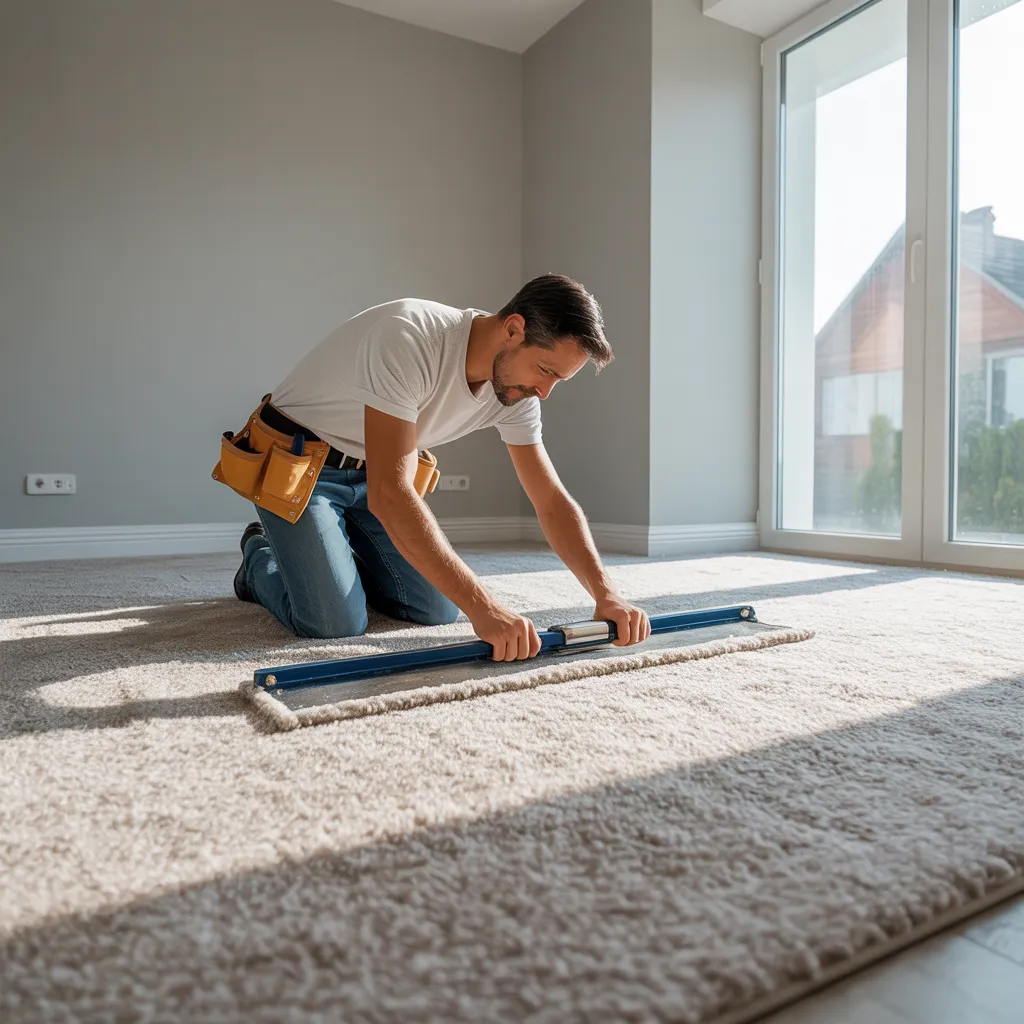
What Are the Best Hardwood Types for Your Home?
When choosing hardwood flooring, which options are most suitable for a home? The selection typically relies on considerations such as durability, aesthetic appeal, and maintenance requirements. Oak is a favored choice because of its durability and adaptability, delivering a traditional aesthetic that suits a wide range of interiors. Maple, celebrated for its firmness, presents a pale color spectrum, rendering it well-suited for modern design schemes. Walnut presents a rich, dark hue and is favored for its unique grain patterns, adding warmth to any space. Hickory stands out for its robustness and distinctive variations in color, rendering it ideal for areas that experience significant foot traffic. For homeowners looking for an eco-conscious alternative, bamboo, though classified as a grass, replicates hardwood qualities and remains environmentally sustainable. Each type possesses unique qualities, guaranteeing that homeowners can discover the perfect match for their personal style and functional needs. Understanding these differences is essential in making an informed decision.
Picking Your Hardwood Style
How should homeowners go about choosing the most suitable hardwood style for their living space? To ensure a thoughtful selection, it is important to first assess the overall design theme of their home. Classic interiors may be well suited to timeless choices like oak or maple, whereas modern spaces could be elevated by sophisticated, darker wood varieties such as walnut or engineered hardwood. Beyond aesthetics, the size and arrangement of the room serve as critical considerations; wider planks can create a sense of spaciousness, while narrower plank choices tend to complement smaller rooms more effectively.
Homeowners should also review current furniture and decorative elements. Coordinating the flooring style with the room's furnishings can create a unified appearance. Moreover, reflecting on the functionality of the space is essential. Spaces with heavy foot traffic may require more resilient options, while quieter rooms can accommodate more delicate finishes. By carefully assessing these elements, homeowners can identify a hardwood style that aligns with their lifestyle and improves their home's overall aesthetic.
Picking Textures and Finishes for Your Flooring
While picking out finishes and textures for wood floors, understanding the various finish types is essential for attaining the ideal appearance and long-lasting quality. Moreover, exploring texture options can enhance the floor's character and complement the overall design of the space. Combined, these evaluation decisions have a significant impact in the flooring's functionality and visual appeal.
Finish Types Explained
Choosing the correct finish for hardwood flooring is important, as it not only enhances the wood's natural beauty but also influences durability and maintenance. There are several finish types on the market, each with distinct characteristics. Oil-based polyurethane offers a durable protective layer, giving a deep, amber tint but necessitating longer drying times. Water-based polyurethane, on the other hand, sets rapidly and retains the wood's original color, rendering it a preferred option for modern settings. Additionally, penetrating oil finishes nourish the wood while providing a more natural appearance, although they may demand more frequent reapplication. Finally, wax finishes offer a distinctive, cozy appearance but require regular maintenance to preserve the coating's condition. Selecting the ideal finish is essential for achieving both aesthetic appeal and functional longevity.
Texture Choices Overview
Texture plays an essential role in the general appearance and performance of hardwood flooring. A range of texture selections can deeply affect the look and sensation of a space. Smooth finishes offer a sleek, modern look, making them ideal for contemporary settings. Alternatively, hand-scraped textures provide a rustic charm, enhancing the character of the wood. Distressed finishes, commonly chosen to create an aged look, can conceal daily scuffs and scratches, making them ideal for heavily used rooms. Wire-brushed textures generate a refined, time-worn look, adding depth without overwhelming the design. Essentially, the preferred texture should correspond with personal preferences and the intended atmosphere of the home, guaranteeing a seamless blend with current furnishings.
How to Plan Your Hardwood Flooring Budget
How should homeowners plan their budget for hardwood flooring? First, they should determine the total square footage of the area needing flooring, as this will affect material costs. Exploring the various hardwood options and their associated price ranges is a necessary step; aspects including species, grade, and finish can greatly influence pricing. Homeowners must also factor in supplementary expenses like underlayment, installation, and any needed subfloor repairs.
Creating a realistic financial plan includes accounting for both material costs and labor expenses. Residents can request bids from multiple service providers to evaluate pricing for installation and ensure they are obtaining a reasonable rate. Moreover, they should factor in possible long-term upkeep costs, as higher-quality hardwood may demand fewer maintenance efforts over time. Finally, allowing a buffer of about 10 to 15 percent for unexpected expenses can offer financial protection, ensuring property owners stay within their budget constraints while attaining their envisioned flooring design.
How to Keep Your Hardwood Floors Looking Great
Having invested in quality hardwood flooring, keeping it looking its best becomes essential for homeowners. Consistent cleaning is important; a soft-bristle broom or microfiber mop can effectively eliminate dust and debris while protecting the surface. For deeper cleaning, a solution specifically designed for hardwood floors can be applied sparingly to avoid excess moisture.
Preventative measures also play a significant role. Setting area rugs in heavily used areas guards against wear and tear, while felt pads under furniture legs prevent scratches. Homeowners must also pay attention to moisture levels, as excessive moisture or dryness can warp the wood.
In addition, addressing spills right away is crucial; wiping them up promptly prevents staining. As a final step, periodic refinishing can restore the floor's luster, keeping the hardwood a beautiful centerpiece of the home for many years. Through these approaches, property owners can maintain the appearance of their hardwood floors and prolong their durability.
DIY vs. Hiring a Professional: What You Should Know?
When deciding between DIY and professional installation for hardwood flooring, many homeowners question which choice best fits their requirements and finances. DIY installation can be a cost-effective choice, giving homeowners the opportunity to cut down on installation fees. Nevertheless, it demands a specific level of expertise, proper tools, and a significant time investment. Missteps throughout the installation can cause costly corrections or accelerated wear and tear.
Conversely, hiring professionals guarantees a premium finish, as experienced installers have the knowledge to address challenges that may arise. They additionally offer installation warranties, delivering peace of mind in relation to the lasting quality of the installation.
In the end, the choice depends on the homeowner's trust in their own capabilities and how complex the project is. For individuals lacking experience or desiring an impeccable finish, professional installation may be the wiser choice, while seasoned DIYers may find satisfaction and savings in taking on the project themselves.
Commonly Asked Questions
How Long Does Hardwood Flooring Typically Last?
Hardwood flooring commonly endures anywhere from 20 to 100 years, influenced by the wood type, care routine, and how well it was installed. Regular care can greatly extend its lifespan, making it a long-lasting option for countless households.
Is It Possible to Refinish Hardwood Floors More Than Once?
Yes, hardwood floors can typically be refinished multiple times, subject to the gauge of the wood. Each refinishing removes a small layer, so keeping enough wood material is crucial to guarantee durability and a long lifespan.
What Is the Best Way to Care for Pets on Hardwood?
To maintain pets on hardwood, frequently sweep or vacuum to get rid of hair and dirt, place mats in high-traffic areas, and immediately address spills. Think about using pet-friendly finishes to enhance durability and prevent scratches.
Are Eco-Friendly Hardwood Choices Available?
Eco-friendly hardwood options are indeed available. Environmentally sustainable sources such as bamboo and reclaimed wood help minimize environmental impact. Certifications such as FSC guarantee responsible harvesting, making it a greener choice for eco-conscious consumers looking for beautiful flooring solutions.
What Effect Do Humidity Levels Have on Hardwood Flooring?
Moisture levels have a significant effect on hardwood floors, causing it to expand in high humidity and contract in low humidity. Such fluctuations may cause gaps, warping, and additional structural damage if not adequately managed and addressed.